
Tattoo Removal
Tattoo Removal Treatment
Tattoo Removal Treatment Statistics and Key Information
- Patient Satisfaction Rate
- 95%
- Average Treatment Cost
- See provider pricing
- Number of Reviews
- 92702
- Treatment Downtime Duration
- Varies by treatment
- Number of Available Practitioners
- 1265
Overview
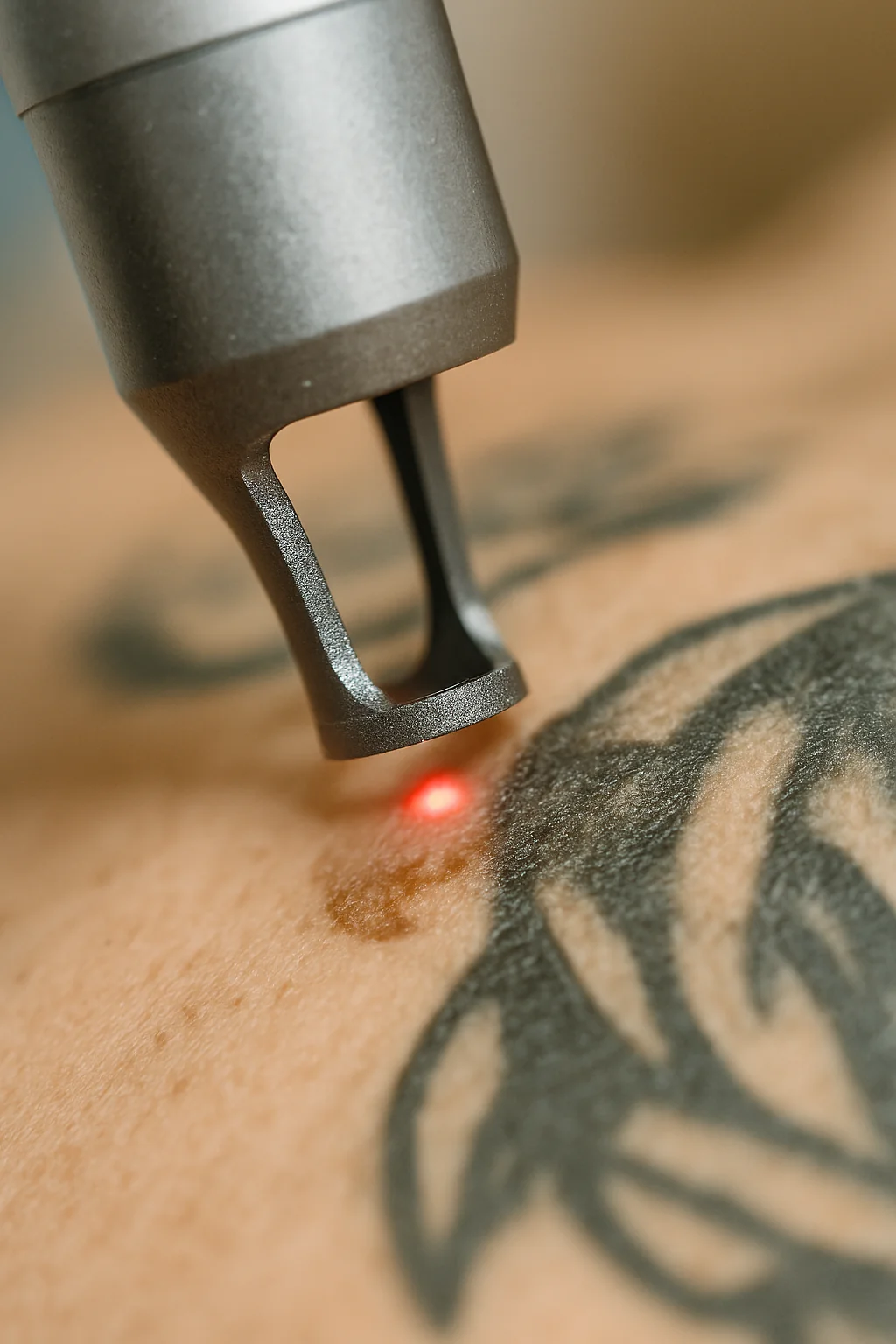
Tattoo removal is the process of trying to fade or erase a tattoo that you no longer want. The most common way this is done in the UK is using specialised laser technology. The laser sends pulses of concentrated light into your skin which are absorbed by the tattoo ink particles. That energy breaks the ink into smaller fragments. Over time, your immune system’s cells (macrophages) help carry those fragments away, so the tattoo gradually fades session by session. Different colours and depths of ink respond differently to laser wavelengths.
Goals of Tattoo Removal treatment
- Reduce or eliminate the visibility of unwanted tattoos
- Lighten tattoos enough to allow for a cover-up tattoo if desired
- Improve confidence and comfort with your skin
- Resolve personal, professional or lifestyle motivations related to tattoo regret
Treatment Options
- Laser tattoo removal is typically more effective than over-the-counter creams, which dermatologists warn are ineffective and can even cause skin damage.
- Surgical excision can remove small tattoos in one go, but it leaves a surgical scar and is only practical for smaller pieces.
- Dermabrasion and chemical methods strip layers of skin but are less targeted and often more painful with higher risk of scarring.
- Laser is considered the gold standard with the best balance of effectiveness and safety when done correctly.
Pros
Cons
Candidate & Preparation
Who is a Good Candidate
How to Prepare for Appointment
- Avoid sun exposure or tanning on the tattooed area for weeks before treatment to reduce risk of pigment changes.
- Keep the area clean and avoid irritants like exfoliants just before your session.
- If possible, avoid blood-thinning medications or supplements (like aspirin) ahead of time as advised by your clinician.
- Have a consultation to talk through the tattoo’s colours, age and your goals so they can tailor laser settings.
Appointments & Safety
What Happens During Appointment
- Consultation and assessment of the tattoo and your skin type.
- Protective eye gear is provided.
- The clinician uses the laser on the tattooed area; smaller tattoos can take only a few minutes, more complex ones longer.
- Aftercare instructions are given, and the area may be cold-soothed post-treatment.
Cost & Access
Typical Prices
- Small tattoos: around GBP 50-GBP 100 per session in many places, but prices can go higher
- Medium tattoos: often around GBP 100-GBP 200 per session
- Larger designs: GBP 200-GBP 300+ per session and full removal courses can run into GBP 600-GBP 2,500+ total depending on size and colours involved
- Some clinics offer package pricing (unlimited sessions till looks best for a fixed fee).
Why Prices Vary
- Tattoo size, ink colours and how deep the ink sits in your skin
- Type of laser technology used (older vs picosecond lasers)
- Number of sessions recommended to reach goals
- Clinic location (central London often costs more than regional clinics)
- Experience of the practitioner and whether any aftercare is included
What to Look for When Choosing a Doctor or Clinic
- A practitioner with specific training and experience in laser tattoo removal, not just general cosmetic devices
- Use of advanced, medical-grade lasers suited for tattoo removal
- Transparent discussion about expected number of sessions and possible outcomes
- Clear aftercare guidance and follow-ups
- Safety practices like eye protection and appropriate test settings for your skin type
Results & Maintenance
How Long Results Last
Tattoo removal results are long-lasting because the ink particles are physically broken down and cleared by your immune system. However, complete removal depends on factors like colour, depth, and your immune response. Some residual faint ink or shadow can remain permanently.
Maintenance Requirements
Yes, it’s not a one-time thing. A full tattoo removal course involves multiple sessions spaced weeks apart. You shouldn’t do sessions too close together because your skin needs time to heal in between.
Regulation & Guidelines
What to Do If Something Goes Wrong
Regulation
There’s no single national legal requirement for specific qualifications to perform tattoo removal with lasers in the UK, and overall regulation is patchy. Clinics in England using class 3B or 4 lasers may need Care Quality Commission (CQC) registration for certain uses, and local councils can also require licensing. Practitioners usually need appropriate training and insurance.
Complaints
If you have a problem, contact your clinic immediately, document the reaction, and consider escalating to local authority health regulators or professional indemnity bodies if care was substandard.


